The post came in reply to a post from the United Nations Relief and Works Agency (UNRWA), saying that freshwater supplies in Gaza were "severely limited and polluted."
Gaza is receiving over 70,000 cubic meters of water per day, the Coordinator of Government Activities in the Territories (COGAT) claimed in an X/Twitter post on Sunday.
The post came in reply to a post from the United Nations Relief and Works Agency (UNRWA), saying that freshwater supplies in Gaza were "severely limited and polluted," due to a collapse in sewage infrastructure.
COGAT described UNRWA's claims as being "false narratives."
COGAT coordinates Gaza water line repair
"The facts speak for themselves," COGAT said. "When a water line issue was reported last week, we coordinated a rapid repair to restore full functionality immediately."
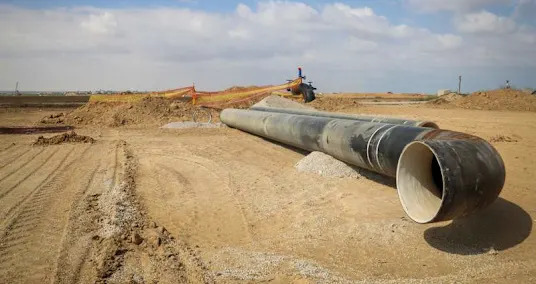
COGAT also said that there were four active pipelines leading into Gaza: Nahal Oz, Bani Suheila, Birkat Sa'id, and the Emirati line.
"While local groundwater faces challenges, we continue to repair infrastructure, even during combat, to ensure civilians access to safe, potable water," COGAT claimed.
LATEST POSTS
- 1
 Creativity Revealed: A Survey of \Making Shocking Looks\ Cosmetics Item
 - 2Figure out How to Use the Experience of a Fender bender Legal counselor for Your Potential benefit
- 3Huge Iranian missile fragments, intercepted by air defenses, lay scattered across Israel, West Bank
- 4Material of Innovativeness: A Survey of \Releasing Your Imaginative Potential\ Online Workmanship Course
- 5UN mission says no evidence Hezbollah rearming in southern Lebanon





- 4 Creative Savvy Home Gadgets of 2024: Reforming Home Robotization and Security
- The Oscars are moving from ABC to YouTube starting in 2029
- Poll: 62% of Americans would oppose U.S. military action in Greenland
- Kids get diseases like lupus, too. As researchers hunt better treatments, this camp brings joy
- 6 Travel Services for Colorful Get-aways: Pick Your Fantasy Escape
- Here are 10 stores where you can get a free Thanksgiving turkey
- Israel halts defense sales to France, citing 'hostile attitude,' sources tell 'Post'
- The Best Web-based Courses for Ability Advancement
- True serenity: Investigating Emotional well-being and the Advantages of Contemplation