A massive dust storm, or haboob, swept across the Sahara Desert from western Algeria into Mauritania, Morocco, Western Sahara and the Canary Islands on March 30. The dust stretched for more than 1,000 miles.
As meteorologists observed the dust storm from space via weather satellites, social media users captured the incoming dust storm on camera. One video shows a thick wall of dust and sand moving toward a resident of the town of Tindouf, near the Mauritanian, Western Saharan and Moroccan borders.
How does the dust affect tropical storms in the Atlantic?
While this storm didn't make it too far off the coast, significant amounts of dust can drift westward from Africa across the Atlantic beginning in May. This can inhibit tropical storm formation, or the strengthening of an existing system, because the dusty air has about 50% less moisture than the typical tropical atmosphere.
Strong winds in the dust layer can also substantially increase the vertical wind shear in and around the storm environment, potentially disrupting any storm that forms.
LATEST POSTS
- 1
 Manual for Financial plan Agreeable PC
 - 2How to watch the ‘Wicked: One Wonderful Night’ special — now streaming
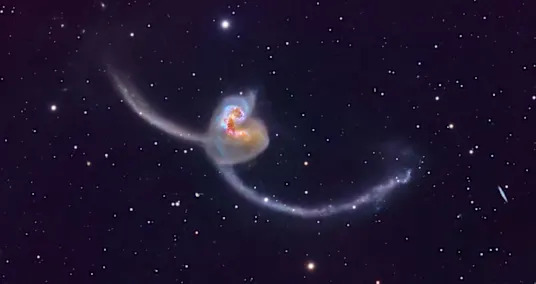
- 3Astrophotographer captures spectacular photo of Antennae Galaxies dueling in deep space
- 4Study reveals how fast weight returns after ending GLP-1 drugs
- 5Poland identifies two Ukrainian suspects in railway sabotage blast




- Under pressure at home, Belgium's leader treads a tight rope with EU partners over funds for Ukraine
- The Fate of Rest: Patterns in Shrewd Beds
- Flu concerns grow in US as UK sees more cases among kids
- 2025 Arctic League telethon raises more than $39k
- Make your choice for a definitive Christmas place to get-away!
- Insight: Pills, TikTok, weight-loss apps and the consumer-driven future of GLP-1s
- Most loved Public Dish: Which One Addresses Its Nation Best?
- Audits of Espresso Types: Which Mix Is for You?
- Nutrient Rich Organic products: Lift Your Wellbeing


